

‘The children are always ours, every single one of them, all over the globe; and I am beginning to suspect that whoever is incapable of recognising this may be incapable of morality.’
James Baldwin
I didn’t know if my videos of Palestinian children would seem dated some 8 years on - but watching them through again, I see that every story gathered was a precursor to what we’re witnessing now.
Ayan was an 8-year-old girl living behind a yellow gate which separated her and her family from the village, all amenities and her school. The gate was operated by the Israeli Defence Force and opened and closed at a whim - meaning that the family never knew when they could get in or out.
Ayan must now be 17, and like the other children in the videos which I’ll be sharing over the next few weeks, I often think of them and wonder what has become of them.
Perhaps she and her family have a vague memory of a lady with a camera visiting them for a day and asking them questions about their life. But for me, living in their land for 4 years, at a time when the Lion and I were raising children of the same age, means I have their stories indelibly printed in my memory. The early lives of our cubs are interwoven like tangled jasmine with those of the children living around us. A curious entanglement.
And I delve in - not just into my own memory bank but into my hard drives which store every image and interview.
It’s our family history and a whole load of other people’s histories which I can revisit, often inducing a nostalgia which is only partially assuaged by sharing and keeping them alive.
As I scrambled up the dusty hillside dotted with olive trees with my camera kit to Ayan’s house with a Palestinian social worker, I had some naive hope that by at least bringing these stories to light, change can happen. I had a three year assignment of film and photography projects for UNRWA, documenting the living conditions of the most vulnerable Palestinian children in Gaza and the West Bank.
When we arrived at Ayan’s house - I didn’t know I was going to tell the story of a child. I’d only been told that their family situation demonstrated in one tale - the occupation of a people.
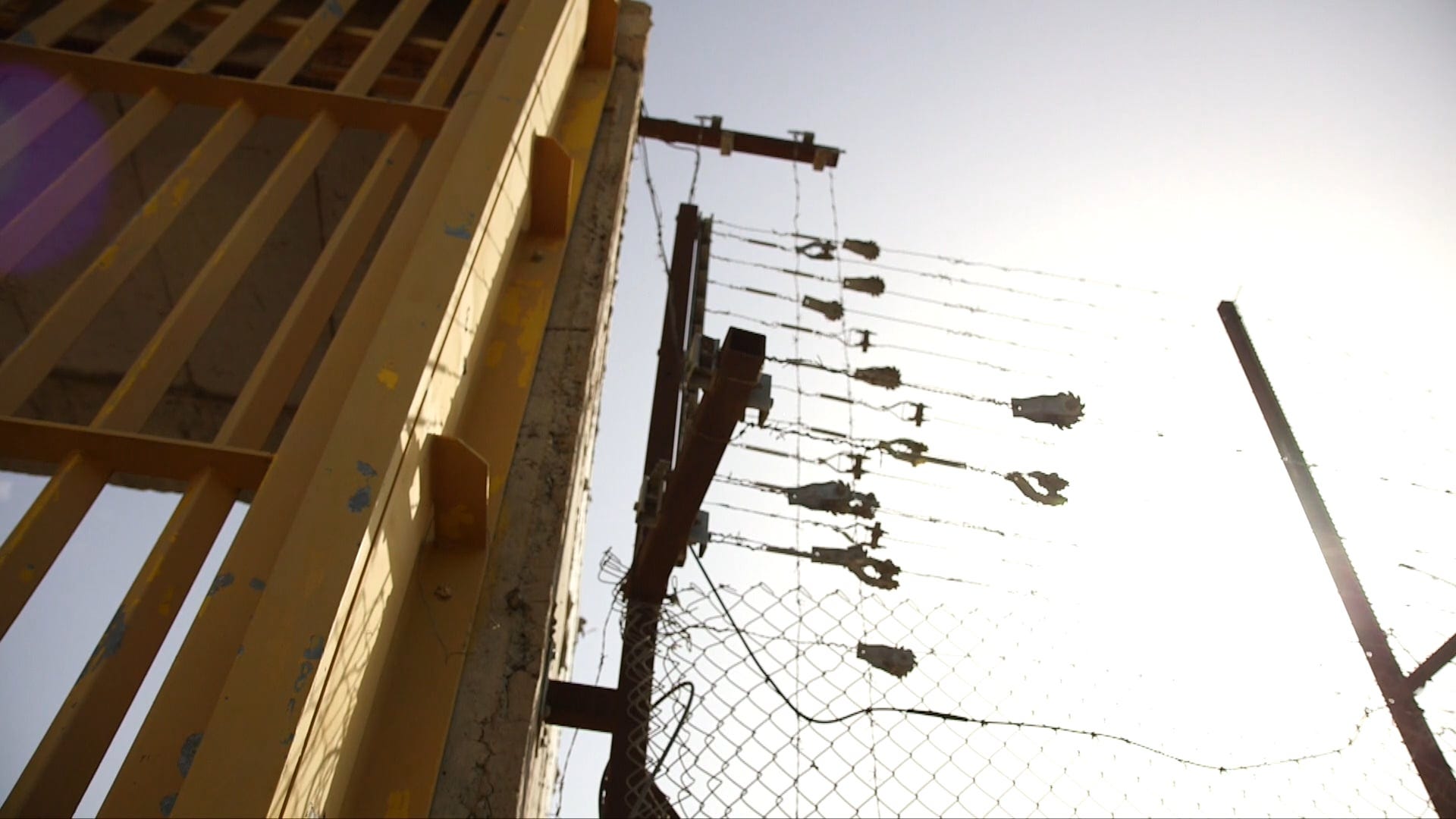
For Ayan to get to school, it was up to the IDF soldier in charge of the gate to decide whether they would open it or not. And whether she got home in the evening to be with her mother was also the decision of a soldier with that remote control.
The cameras on the gate suggest that the soldiers can see when the family is wanting to leave or arrive. And through sunrises and sunsets, baking midday heat and storms - they watched them there, and made them wait.
Most of the time, Ayan was forced to stay with her auntie in the village as she couldn’t get home. Her mother missed her only girl desperately.
She’s my only one, my only girl. Sometimes a week goes by without me seeing her.
The human rights group Btselem states that waiting and uncertainty are central, systemic tools of the Israeli occupation, functioning as a form of collective punishment that impacts every facet of Palestinian life. And that this "architecture of coercion" transforms daily existence into a state of enduring instability, impacting mobility, livelihoods, family life, and mental health.
This is considered as a way of breaking the spirit of a population, encouraging them to decide to leave their land as a result, facilitating the expansion of settlements while avoiding direct accountability.
I saw how Ayan’s entire family is traumatised with the uncertainty of when they can leave and return home. The UN provided the family with a counsellor but this was unlikely to have much effect without tackling the source of the problem - their captivity and total lack of autonomy.
As Ayan’s Mother explained, their village is surrounded by the separation barrier wall – built to protect Israelis from Palestinians - but acting as a pseudo prison wall for a whole population of people aren’t even able visit the sea in their Mediterranean land.
You can read all you like about this land in books before you go. But nothing prepares you for the reality of a grey cement wall with its watch towers, snaking its way through olive groves, cutting off livelihoods, carving up sections of farmland and separating families from one another.
Our young cubs once asked me on a drive up to the Northern West Bank on a family adventure, Mummy is that still called ‘a wall? Because it’s not a wall like our other walls we have.
As Ayan and her mother look out of their window towards the neat red roofed settlements, the mother asks the question into the air:
They have their freedom, but they took away our freedom. They can come and go as they please, but we can’t.
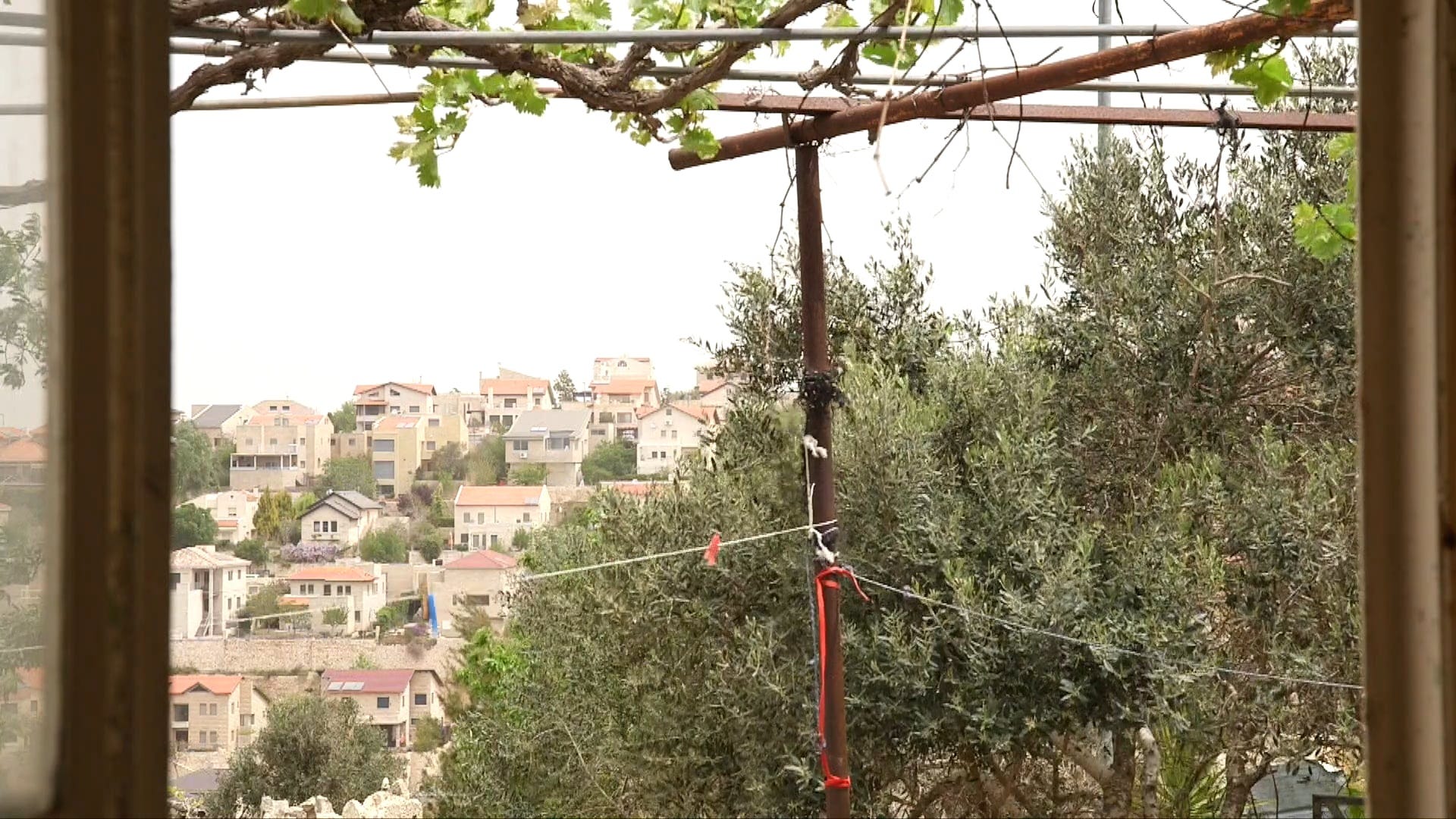
Society is strangled. Normal life is impossible.
9 years on, I can see that all these thousands of stories being told every day are not noticeably engendering change. If anything, the change is looking like a descent into greater torment and pain. Story after story after story we tell, and are told.
But imagine if everybody stopped?


